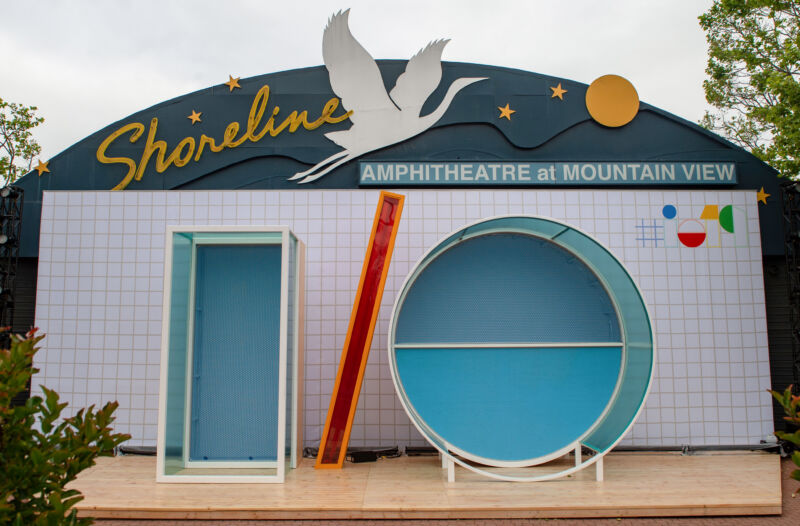
Google I/O 2021 is actually happening this year. But due to a certain worldwide pandemic, it will be all online instead of outside in the sun of Mountain View. Google skipped the 2020 edition entirely, but the company is finally ready to deliver its first ever virtual Google I/O. For us onlookers, that means we're officially entering unknown territory.
Google I/O starts Tuesday, May 18 at 1 pm EDT, when Google/Alphabet CEO Sundar Pichai will take the stage and presumably show off what Google has been working on all year. We've been prepping for the show ourselves, and the shift to an all-virtual event hasn't lessened the amount of tea leaves to read. We're expecting to see quite a few things over the next week.
Well, first, let's talk about what we're probably not going to see: the Pixel 5a. At Google I/O 2019, we saw the launch of the Pixel 3a in May of that year. But with I/O 2020 canceled, the Pixel 4a didn't hit the market until much later in the following year, on August 20, 2020. Normally we would call the launch timeframe for the 5a a toss up between mirroring the 3a or 4a launch dates, but Google has already set us straight. Back in April, the company said the Pixel 5a would be "announced in line with when last year’s a-series phone was introduced." So that's August, not May, and not at Google I/O.
New Android 12 stuff, hopefully including the big redesign
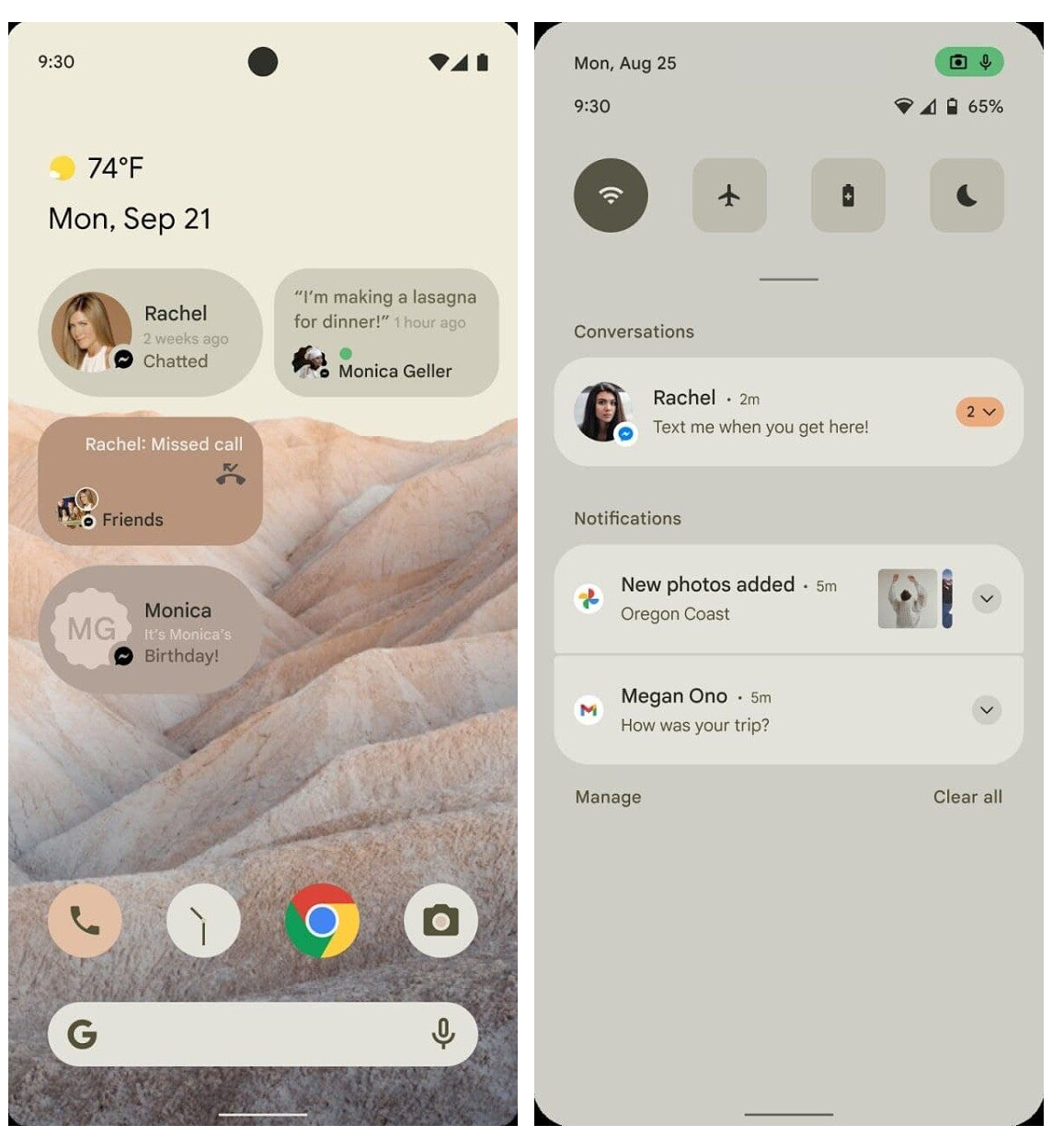 Check out these colors! It looks like they are all driven by the wallpaper selection. A beige-colored wallpaper leads to a beige notification panel, widgets, icons, and more.
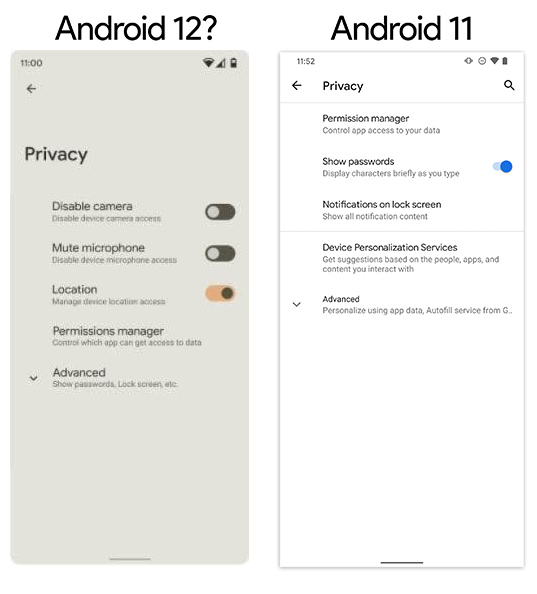 The privacy screen shows kill switches for the camera and microphone. It looks like we're also getting a new design for the settings page, with big top headers.
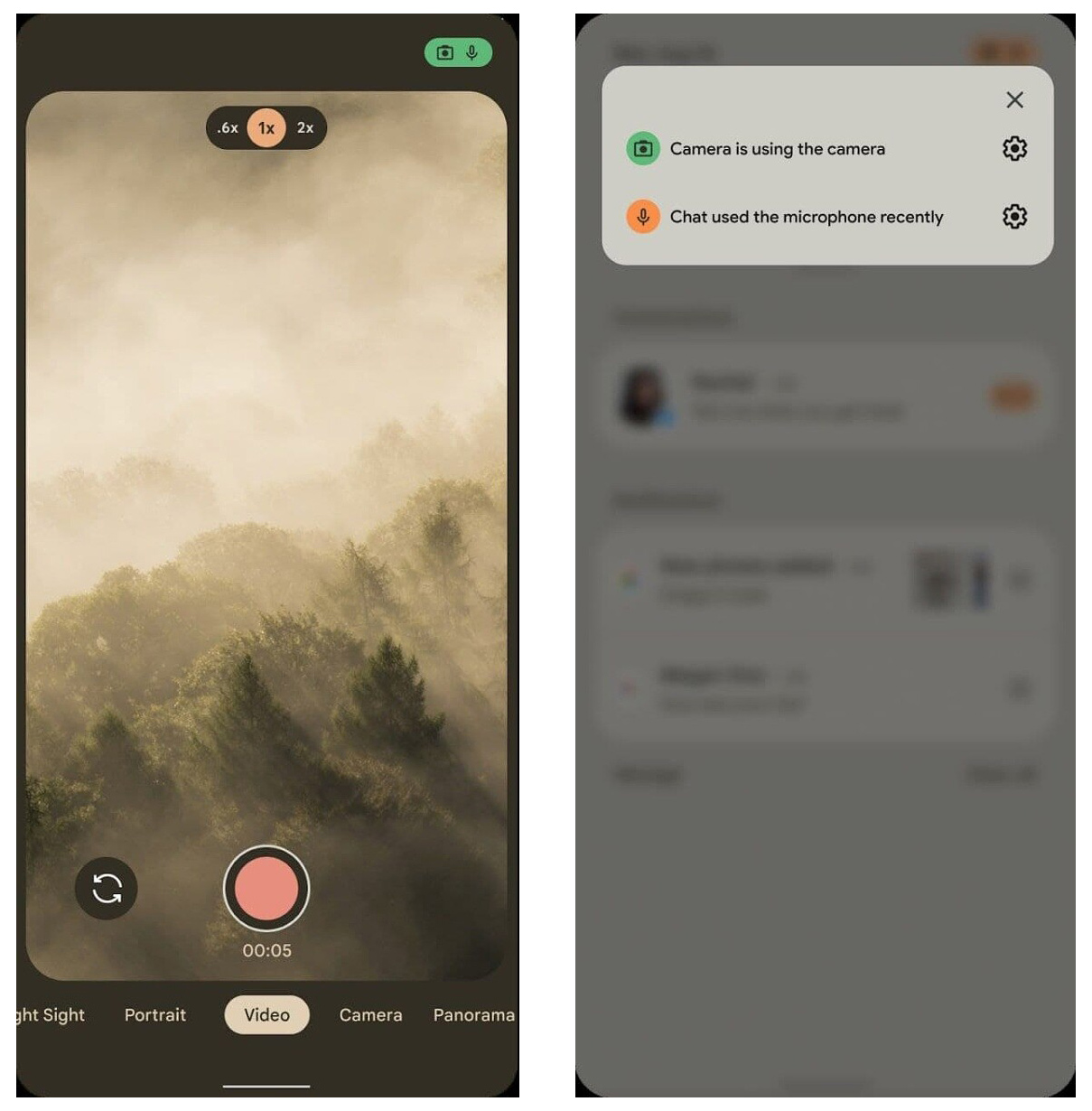 That green privacy chip in the top-right shows when apps are using the camera, microphone, or location data.
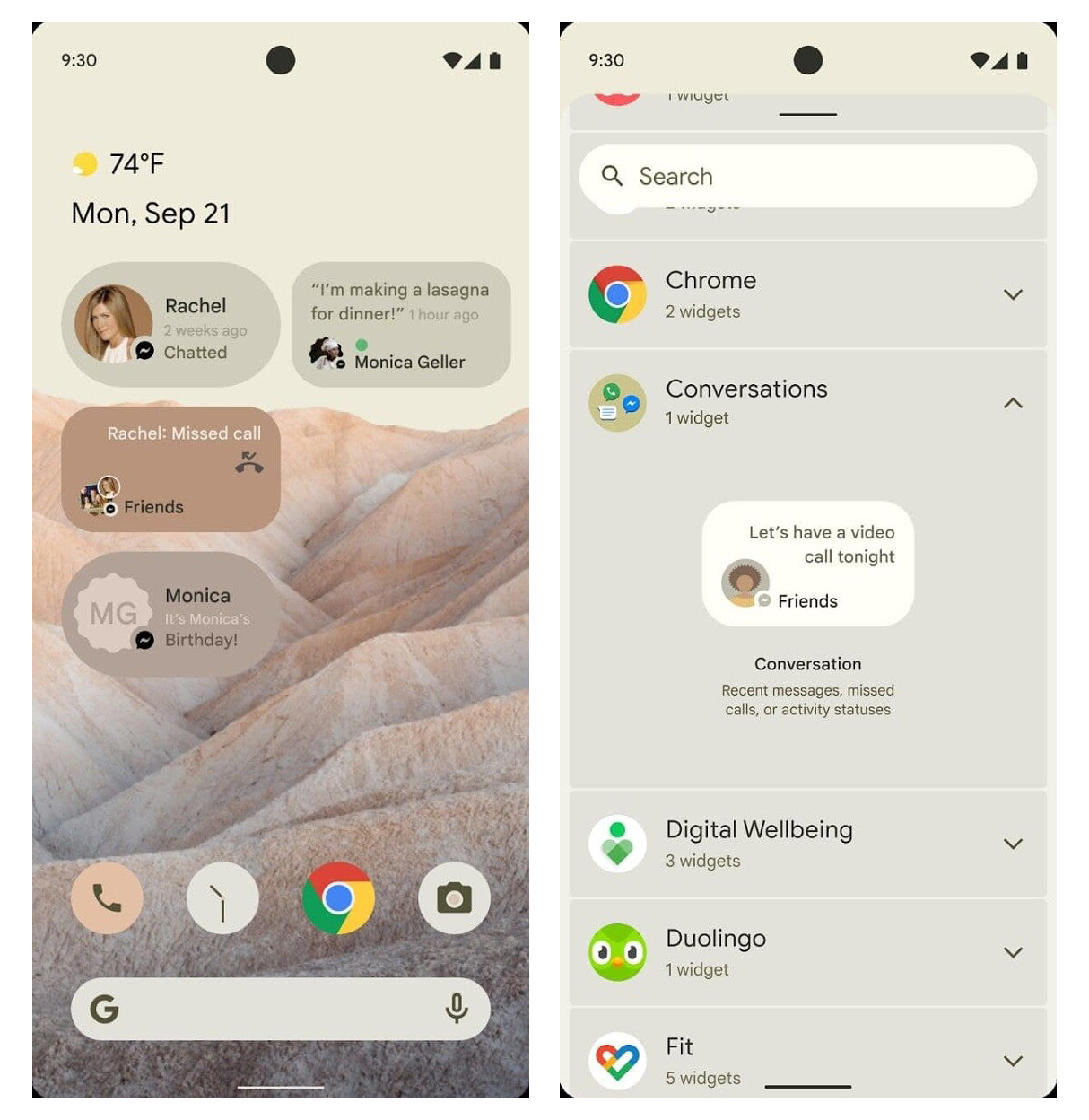 New widgets. As the widget screen on the right explains, these show "recent messages, missed calls, and activity status" from a contact.
We're up to several releases of the Android 12 Developer Preview by now, but Google I/O will mark the release of the first "beta" version. Android 12 definitely has a big redesign coming—we've already seen leaks of the new design, and it looks like a significant departure from previous versions. There's a wild new color-changing UI that shifts to match your wallpaper. All the buttons, sliders, and every other UI widget have been reshaped and rearranged. It has a new scroll list design that, like a Samsung phone, works better on bigger displays by initially starting with a big title and pushing the top of the list content further down the screen, where it can be easily reached. There's a new privacy UI, which alerts you when your camera, microphone, or location is in use. There's also a new look for widgets, mirroring iOS's recent widget revamp.
There is so much "Android redesign" evidence out there we don't actually know what Android 12 looks like out of the box. We just keep seeing screenshot after screenshot of wildly different UI bits, and having features that change color based on user settings also really doesn't help when trying to visualize the entire package.
We know all that is coming. The question is, will it be officially unveiled at Google I/O? The previous developer previews have been perfectly fine shipping new functionality while stripping out all the interesting UI changes. Google might want to blast out the new design from the I/O virtual stage, or it might want to save it for closer to launch. One good sign we just recently got was a leak of what looks to be a Material Design sizzle reel from YouTuber Jon Prosser. It's still not very enlightening as to what Android 12 will look like, but it seems like the kick-off video for unveiling the next version of Material Design.
The Google I/O schedule says at least a few things will be talked about. The new widgets are something that will need developer uptake, so those are getting disclosed at Google I/O during the "Refreshing widgets" talk. The talk promises to show off "useful, discoverable, and beautiful widgets on Android and Assistant." There's an interesting curveball at the end there—what do Android homescreen widgets have to do with the Google Assistant?
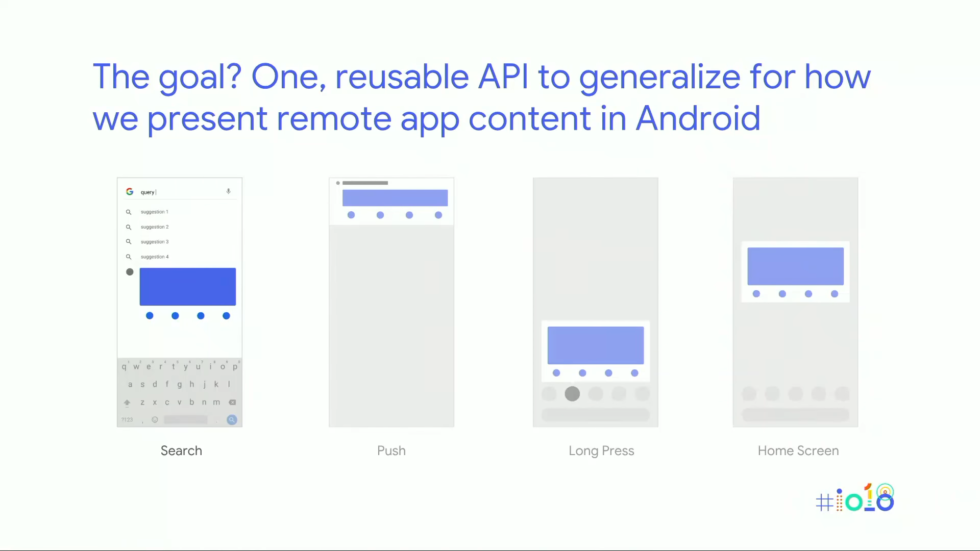
Sharing code between Android home screen widgets and the Google Assistant is something Google actually started working on before—it was called the "Slices" API. For some reason, though, it never took off. In one of our many interviews with Dave Burke, Android's head of engineering, we asked him point blank, "Whatever happened to the Slices API?" Displaying remote app content in multiple places sounded like a good idea to us.
"I still think it's a great idea, but I don't think we found the fit for it just yet," Burke said. "We actually built it out, and right now we're working with the Google Assistant team to see if we can figure out something that makes sense." The Google Assistant team, you say? That sounds suspiciously like the new widget API. So we'll be on the lookout for displaying widget content in other, remote places.
Google resurrects Wear OS?
Wear OS has long felt like a dead platform. Google has definitely neglected its smartwatch OS. The last major update was over two years ago. One of its best features—Google Fit weight-training tracking—was ripped out of the software in 2020. Google Assistant voice activation was broken for months, and new Google apps like YouTube Music and Google Chat do not offer apps for the platform.
Hardware support has been a disaster, too, with Qualcomm letting the platform go six years without a significant SoC performance boost. Virtually every major tech company abandoned the platform after releasing a watch or two. Market share is so low that Wear OS vendors don't get listed in market share reports anymore.
Despite all this, Google really seems like it is going to try and resurrect Wear OS at Google I/O 2021. (Seriously. I'm not kidding.)
First, the schedule seems to give Wear OS a new name. Initially, Google's smartwatch OS was referred to as "Android Wear," clearly indicating that it's Android but for wearable stuff. Android Wear eventually became compatible with iPhone and then dropped the "Android" name, becoming Wear OS. Now, everywhere on the schedule you would expect to see "Wear OS," you see "Wear"—no trailing "OS" at all. It sounds like "Wear By Google" is set to become the name going forward.
Message the way you want to with the new Gboard ⌨️ on #WearOSbyGoogle.
Multiple ways to message like voice, QWERTY keyboard or gestures ✔️
Enhanced suggestions and corrections ✔️
Multi-language support ✔️See what’s new: https://t.co/RjjtZO23Tv pic.twitter.com/dggR6HxsFc
— Wear OS by Google (@WearOSbyGoogle) May 6, 2021
One event on the schedule is called "What's new with Wear," and this talk promises Google's neglected OS is getting some kind of update. The description says the talk will cover "latest platform updates and share a range of new APIs," which certainly doesn't seem like something that is currently out. A March Wear OS blog post about a new Tiles library (swipeable watch face information) said, "custom Tiles will become available to users later this Spring when we roll out the corresponding Wear OS platform update." Some kind of platform update is coming; we're just not sure of the scope.
We've also seen Wear OS get actual software updates, which hasn't happened in a while. Google just released Gboard for Wear OS, which replaces the stock QWERTY keyboard with a Google-backed version featuring a new emoji picker and smarter suggestions (and maybe regular updates?). There's also that Tiles library, which will enable third-party custom home screen interfaces (instead of just watch faces) for the first time once it comes out.
The biggest sign that Google is bringing Wear OS back to the land of the living is a widely reported rumor that the Samsung Galaxy Watch 4 will run Wear OS instead of Tizen. Plugged-in Samsung leaker Ice Universe called the transition back in February, kicking off this batch of rumors. The latest report from the Korean site MT says Samsung wants to switch to Wear OS due to difficulty in getting developers to create Tizen apps. XDA Developers found references to a "Merlot Wear OS" device in a Samsung Wi-Fi driver, indicating the company is at least experimenting with Wear OS internally. Samsung has been kicking around the idea of returning to Wear OS for some time, though, but the company has yet to pull the trigger.
Samsung adopting Wear would solve a lot of problems. Samsung makes its own smartwatch chips, so the platform could finally stop relying on Qualcomm for smartwatch SoCs. Qualcomm has smothered Wear OS with a lack of significant chip upgrades, which greatly contributed to the current situation. Samsung is also a top-tier hardware manufacturer, so it can push the smartwatch form factor forward with whatever parts it wants. The fashion brands that occupy the Wear OS market right now (like Fossil) can really only source existing parts.
There's also that $2.1 billion acquisition of Fitbit, which Google closed in January. There have been some product launches since then, but we've yet to see what the Googlification of Fitbit looks like. Google Hardware SVP Rick Osterloh called the Fitbit acquisition "an opportunity to invest even more in Wear OS as well as introduce Made by Google wearable devices into the market." Another 2019 blog post from the company said that, with Fitbit, Google was "hard at work on the next evolution of Wear OS." Maybe that's what we'll see on Tuesday?
Google also resurrects Android tablets?
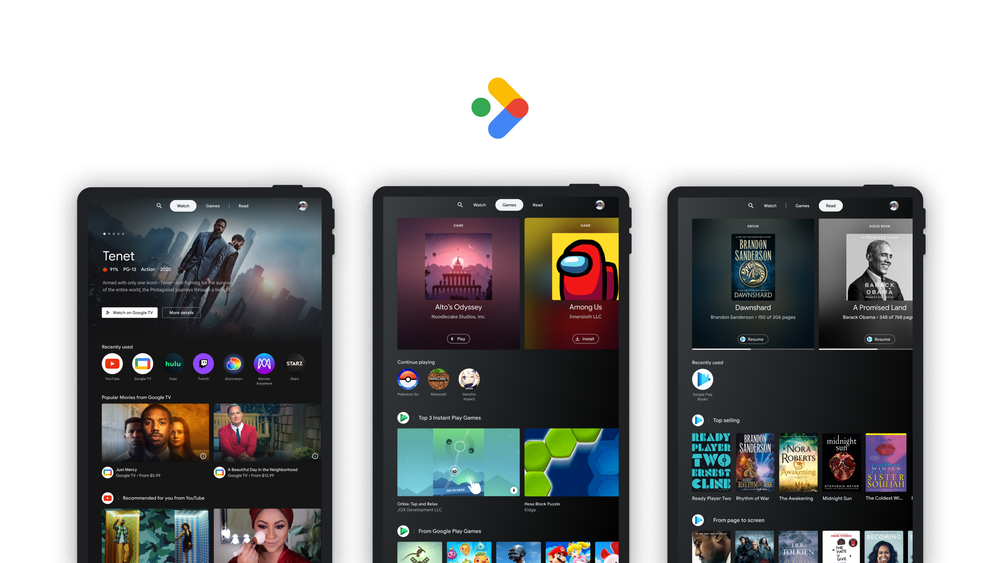 Entertainment Space. It's like Google TV but for your tablet.
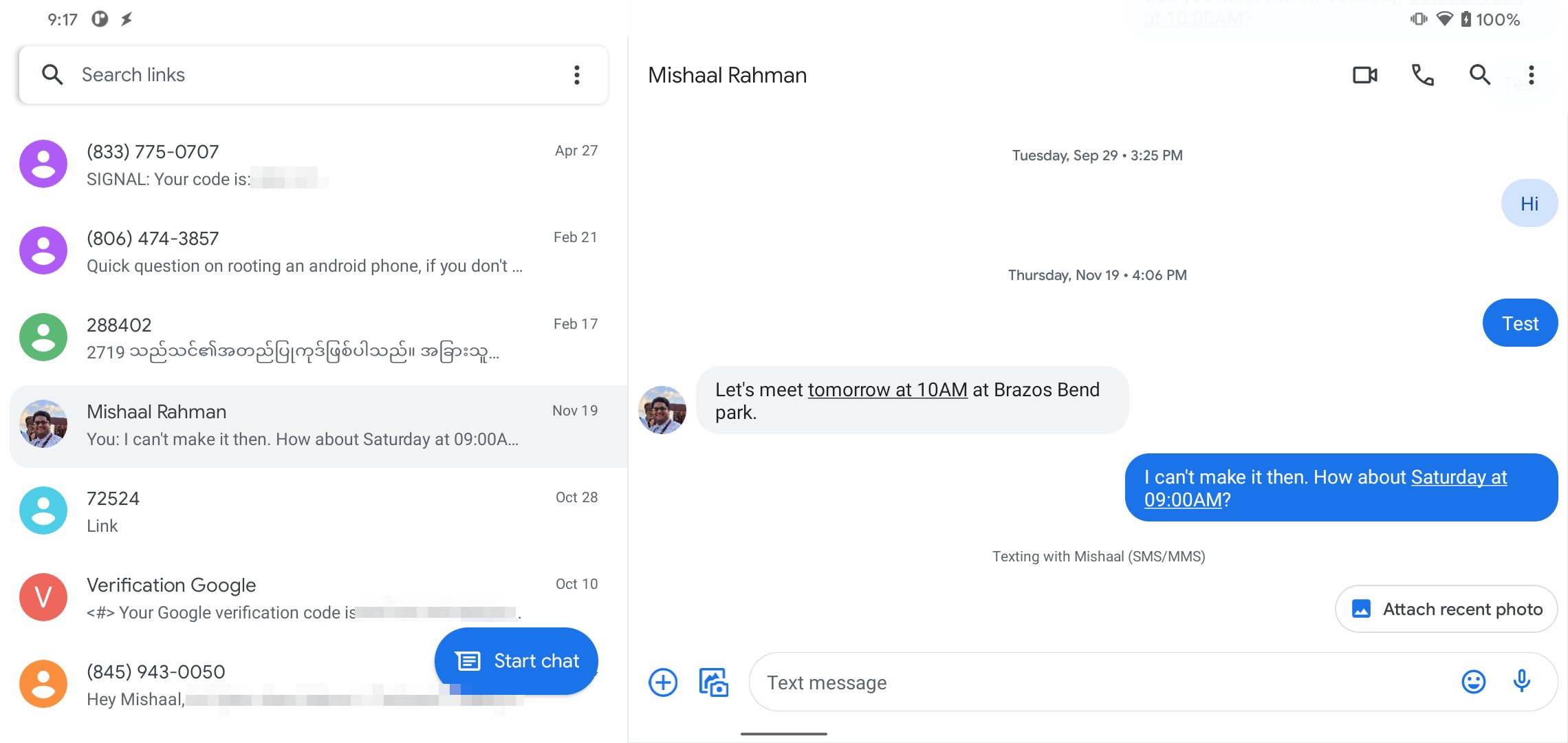 Google Messages for tablets. Supposedly this will sync to your phone for SMS compatibility.
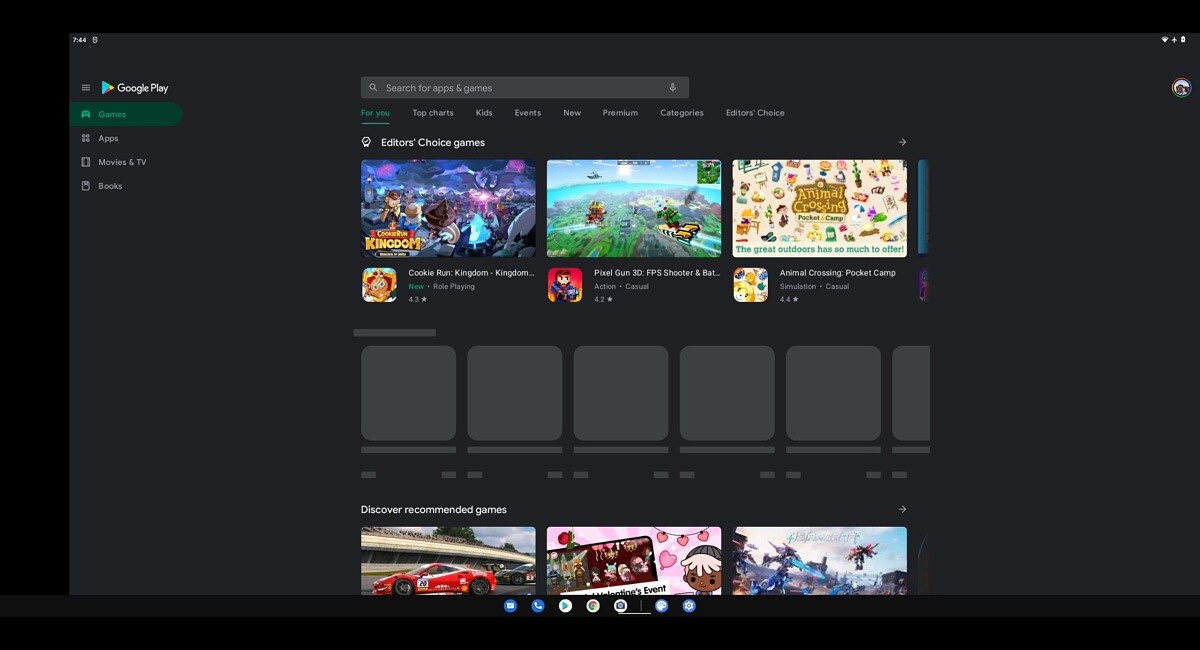 The hidden Android 12 taskbar. (Also, the Google Play tablet UI, which isn't bad).
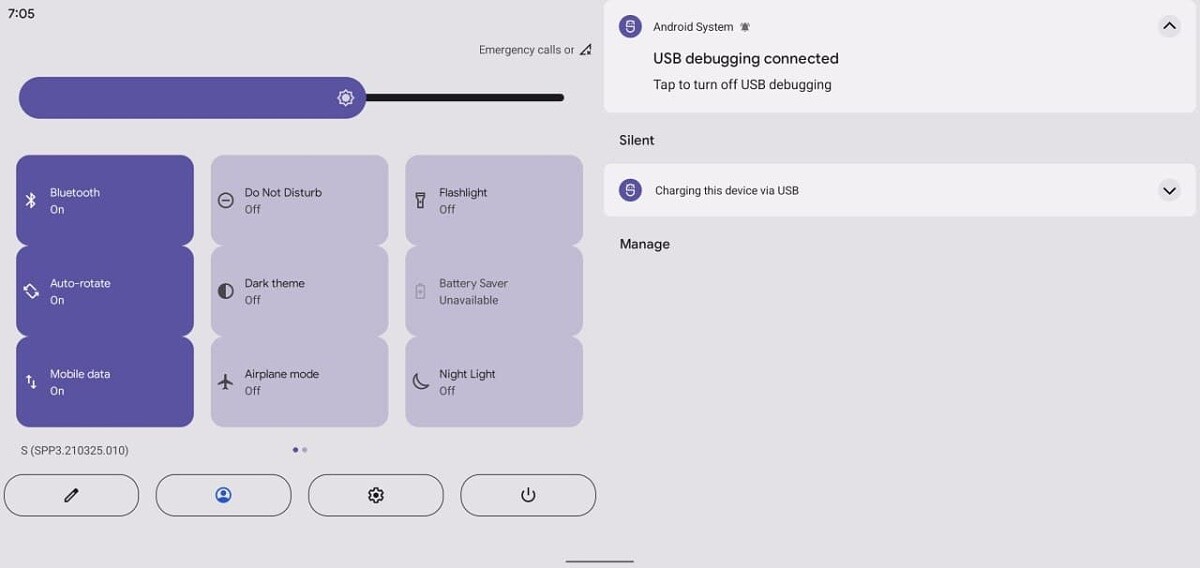 The notification panel, for tablets?
The next long-dead Android form factor that has been suddenly active lately is the Android tablet. Google's tablet interfaces for Android probably peaked around Android 3 or 4.0 when tablets first came out. Since then, the company has consistently removed and scaled back tablet interfaces. Google's hardware division also hasn't made an Android tablet for years, with the last release being the Pixel C in 2015.
Google's lack of interest in tablets seems to be changing, though. Google surprised us all earlier this month with the announcement of "Entertainment Space" for tablets, a media aggregation UI that will appear as a home screen panel, replacing the usual Google Discover feed on the left side.
We've also seen several Google apps like Google Messages and Google Photos suddenly grow tablet interfaces. Suddenly, there's a decent collection of Google apps with a tablet interface today: Google Play, YouTube Music, Gmail, Chrome, Maps, and YouTube included. The Android 12 developer preview has a hidden taskbar-like (or dock-like) UI, which seems to be either for tablets or a desktop UI. There's also a one-handed lock screen designed for tablets now and a hidden dual-pane notification panel.
All that said, when we talk about "tablets," we might not actually be talking about rigid, second-device tablets—the biggest up-and-coming large-screen form factor are foldables. Based on what we've seen to date, these devices would greatly benefit from more dual-pane tablet interfaces.
The Google I/O schedule contains several shout-outs to tablets. There's the "What’s new in foldables, tablets, and large screens" talk, which promises to talk about new app scaling schemes. Google's Material Design team also has a "5 things you can do to prepare your app for large screens" talk and a whole blog post up already.
A few complete mysteries of note on the schedule
I can't say I have a lot of ideas for this one, but the talk "What's new in Google Assistant" promises to dive into "new product announcements." What on Earth could they be? The Google Assistant occupies a million different form factors—speakers, displays, headphones, phones, home theaters, Android TV boxes, and more—so it could be anything.
The other curious description on the schedule is from a talk titled, "What's new in Chrome OS." Its description? "This session will talk about Google's latest investments to improve the developer experience on Chrome OS, including updates to the Linux environment and new APIs for web apps." I wonder what Linux updates we'll see.
Like we said earlier, Google I/O kicks off on Tuesday, and we'll have full coverage of all the important stuff from the show on site throughout the week. See you there! (Er, not there there. You know what I mean.)
https://news.google.com/__i/rss/rd/articles/CBMibmh0dHBzOi8vYXJzdGVjaG5pY2EuY29tL2dhZGdldHMvMjAyMS8wNS9nb29nbGUtaS1vLTIwMjEtcHJldmlldy1nb29nbGUtcmVzdXJyZWN0cy13ZWFyLW9zLWFuZC1hbmRyb2lkLXRhYmxldHMv0gF0aHR0cHM6Ly9hcnN0ZWNobmljYS5jb20vZ2FkZ2V0cy8yMDIxLzA1L2dvb2dsZS1pLW8tMjAyMS1wcmV2aWV3LWdvb2dsZS1yZXN1cnJlY3RzLXdlYXItb3MtYW5kLWFuZHJvaWQtdGFibGV0cy8_YW1wPTE?oc=5
2021-05-16 13:30:29Z
52781597976057

Tidak ada komentar:
Posting Komentar