Sabtu, 29 Juni 2019

The Morning After: SIM-swap cell phone hacking horror stories - Engadget

Sponsored Links

Eshma via Getty Images

Hey, good morning! You look fabulous.

Welcome to your weekend. If you don't know what SIM swapping is and whether or not it could be used to attack your email or bank account, then we know which article you should read next. Beyond that, we'll recap some highlights from the last week, and further consider the impact of Jony Ive leaving Apple.


Ready for a horror story?How a trivial cell phone hack is ruining lives
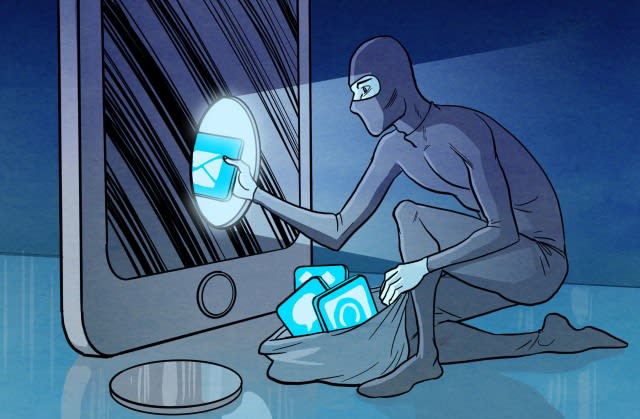
Violet Blue explains how SIM-swap attacks have been used to steal online accounts and even as much as $100,000 from a victim's bank account. In these attacks, someone uses pieces of personal information to convince your cell service provider to transfer (port) your number and associated phone account to a device in the attacker's possession.

If you use accounts that verify identity with a text message, then you could be vulnerable to them too. One man who lost $25k, his Gmail and his Twitter got his phone number back only to see T-Mobile give it over to a hacker again.


Now what?Reactions to Jony Ive's departure from Apple
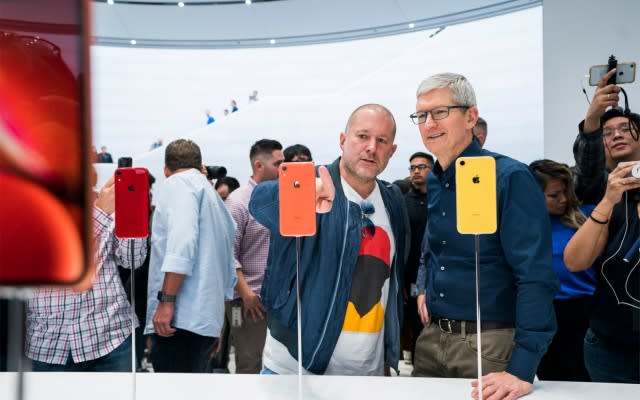
Now that we've had some time to think about the news that Apple's design chief Jony Ive -- the man behind iconic products like the iPod, iPhone and more -- is leaving, what does it mean? Nicole Lee considers Ive's legacy and how he helped make the company what it is today, noting that "Ive was inextricably tied to Jobs' and Apple's comeback, and therefore to the company's meteoric rise to where it is today."

Meanwhile, Daniel Cooper focuses on Apple's shift from hardware to services. For the devices we'll see in the future, he wonders if Ive's successors "loosen up on some of his more famous hangups" in favor of bigger batteries or a more functional keyboard.


Hands-on with iOS 13's tablet-focused version.iPadOS makes Apple's tablets feel like a priority again
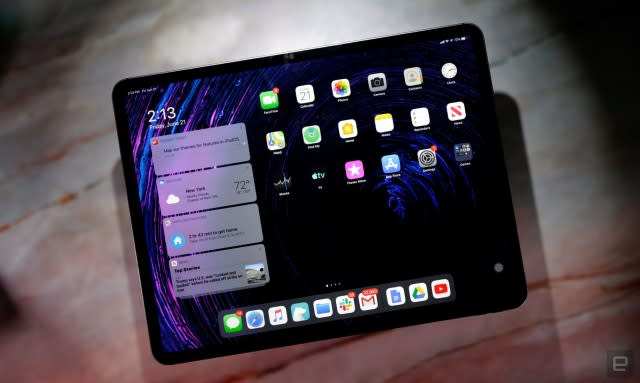
After using the tablet edition of iOS 13 for a few days, Chris Velazco says he's "already impressed with the changes Apple has made... Apple addressed many of the criticisms that prevented the iPad Pro from being the do-it-all computer it aspires to be. As for everyone else, they'll benefit from subtle performance improvements and some extra polish."


Microsoft's attempts to win at mobile were unremarkable.Bill Gates says his 'greatest mistake' was not beating Android

The founder of Microsoft recently admitted in an interview at venture-capital firm Village Global that his biggest mistake was not making what Android came to be. Gates admitted that the company struggled to adjust to mobile, as both the iPhone and Google's Android swept up customers in the smartphone revolution. If you don't remember Windows Mobile, well, let's just say you're not missing out on much.


It also packs better Bluetooth and USB connectivity.The new Raspberry Pi 4 is ready for 4K video
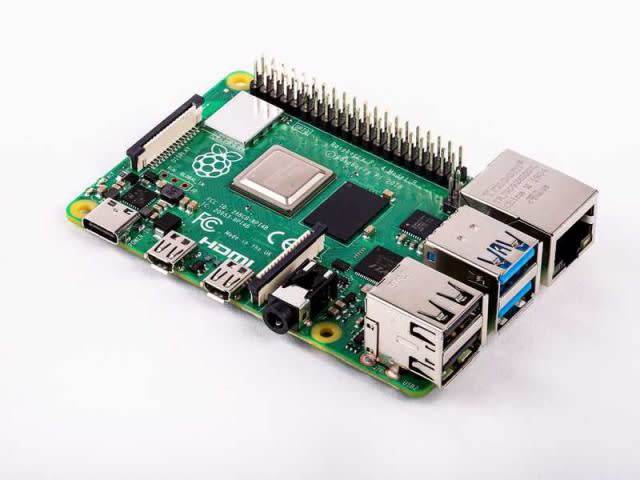
The newly released Raspberry Pi 4 Model B combines familiar tiny computer-on-a-board design with some major boosts to performance, particularly for media. With a more potent 1.5GHz quad-core Broadcom processor with H.265 decoding, two micro-HDMI ports and up to 4GB of LPDDR4 RAM, the Pi 4 can output 4K video at 60 fps. It could well be your next, slightly more future-proofed DIY media hub.


Someone has to push the envelope.Valve Index review: Next-level VR

Priced at $1,000, Devindra Hardawar notes that the Valve Index is "not even vaguely affordable" compared to other VR options. Still, this "aspirational" piece of gear impresses, with a comfortable headset, slick finger-tracking controllers and excellent image quality. Take a look and see why the Index "has almost everything we want in a next-generation PC VR headset."

But wait, there's more...


The Morning After is a new daily newsletter from Engadget designed to help you fight off FOMO. Who knows what you'll miss if you don't Subscribe.

Craving even more? Like us on Facebook or Follow us on Twitter.

Have a suggestion on how we can improve The Morning After? Send us a note.

Let's block ads! (Why?)


https://www.engadget.com/2019/06/29/the-morning-after/

2019-06-29 14:00:30Z
CAIiELfhaTv-T-0hZ2uWmjNAJqUqGAgEKg8IACoHCAowwOjjAjDp3xswtuSvAw

Happy 10th birthday, Samsung Galaxy - Android Police

All the way back on June 29th, 2009, a little company named Samsung released a phone just called Galaxy (with no "S") running Google's brand new Android operating system. The modern eye may scoff at both its dated specs and design, but the phone established a lineage second only in consumer recognition to the iPhone, kicking off ten years of Galaxy-series phones, and today is the anniversary.

The tiny device, with the model number GT-I7500, sported a 3.2" 320x480 AMOLED display, 528MHz single-core CPU, 128MB of RAM, 8GB of expandable storage, a 5MP camera, GSM/HSDPA support, and a 3.5mm headphone jack — that last detail was actually a major selling point in 2009, how times change.

Majestic.

The Galaxy, first of its name, also kicked off another Samsung tradition: slow/nonexistent software updates. It may have launched with Android Cupcake 1.5, but only some regions got an update to Donut 1.6 a year later, and no further official updates ever materialized (though third-party ROMs existed).

2010's bigger, faster Galaxy S may have done more to set the series' design language going forward, and it certainly came to more countries and consumer's pockets, but the original "S"-less Galaxy laid the foundations for a decade of best-selling Android phones.

The impact of the Galaxy line upon phone design can't be overstated. The Galaxy S saw dozens of variants pushed out in a frenzy of carrier rebadging, and the Galaxy S II which followed sold so many units that it bordered on a cultural icon — an icon that Verizon missed out on, opting for the Galaxy Nexus instead in a mistake it would never repeat.

Starting with the Galaxy S3, Samsung finally stuck with a unified design across carriers and began truly building the Galaxy series image in consumer's minds with a consistency it previously lacked. Some of the features Samsung brought to subsequent phones, like IP-rated water resistance, became fundamental requirements for flagship phones — though plenty of other features popularized by the Galaxy series never spread beyond them. The Galaxy Note series' active stylus may not have led to much mimicry, for example, but its big-screen design changed phone design permanently. Its 5.3" display is positively small by modern standards, and even factoring bezels into account, many popular modern phones have a larger footprint. Bloggers may have laughed back then, but the Note series turned into a runaway success.

For years, Samsung's Galaxy S series has traded blows with Apple for the #1 position on "best of" lists, and the Galaxy name itself has expanded far beyond phones to include tablets, wearables, and even headphones. While we all wait for word on Samsung's next Galaxy Note, it's nice to look back and reflect on how far things have come.

Let's block ads! (Why?)


https://www.androidpolice.com/2019/06/29/happy-10th-birthday-samsung-galaxy/

2019-06-29 14:00:00Z
CAIiEBHowssIO9VD2W5nSqoLQ8UqFwgEKg4IACoGCAowu5gUMNLMAjCg7LUG

ActionDash 3.0's new 'Focus' mode keeps Android users on task - Engadget

At I/O earlier this year, Google announced that Android Q will upgrade the recently added Digital Wellbeing feature with a Focus Mode to quiet attention-grabbing apps so you can get things done. However, there's a way to get that feature, and a few other tweaks, well ahead of the official Android Q release.

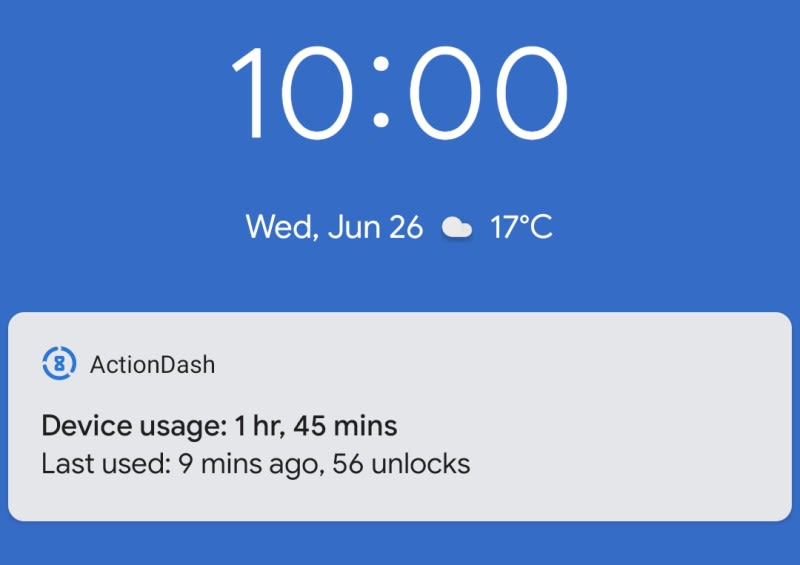
Action Launcher developer Chris Lacy has released version 3.0 of ActionDash, which already provided the kind of monitoring and feedback you'd expect from the Wellbeing service, and now has a Focus mode that you can toggle on or off with a quick settings tile. It can temporarily shut off access to whatever apps you select -- news, Twitter and Facebook are probably a good start -- with a splash screen that pops up if you try to open them.

ActionDash

If you'd rather just limit the use of certain apps altogether, then try its daily limits. That feature similarly locks down chosen apps once you've done enough mindless scrolling for the day. Don't need the willpower assist and want to manage use on your own? Then check out another beta feature, the Usage Assistant brings the stat tracking of how much you've been using a particular app to the notification shutter and lock screen.

ActionDash works on versions of Android going back to Lollipop, and while it's free in the Play Store, the app isn't an attempt to siphon usage data. Instead, information remains on your device (unless you choose to enable backups to Dropbox or similar), since it's supported by a $6.99 upgrade that enables these new features and allows for those backups. Also, it pulls the data from the Android OS, so it shouldn't add any additional battery drain.

Let's block ads! (Why?)


https://www.engadget.com/2019/06/29/actiondash-3-0s-new-focus-mode-keeps-android-users-on-task/

2019-06-29 11:22:10Z
CAIiEP1wBwABr79YPZPZHN-SBoMqGAgEKg8IACoHCAowwOjjAjDp3xswicOyAw

How to move from Chrome to another browser - The Verge

Despite some new improvements to user privacy, Google’s popular Chrome browser has recently been lambasted in some quarters as problematical when it comes to privacy issues. These same articles suggest that if you’re concerned about the security of your data, you should try an alternative browser, such as Firefox, Safari, or Brave.

Of course, anyone who has used a browser for any length of time will have built up a considerable library of bookmarks, preferences, and saved passwords. If you do move to a new browser, you won’t have to sacrifice your bookmarks; you can easily import them from Chrome into your new browser.

Here’s how to do it.

If you’re moving to Firefox:

  • After you’ve installed Firefox, click on the “Library” icon to the right of the address bar, and then click on “Bookmarks” on the drop-down menu.
  • Click on “Show All Bookmarks” on the bottom of the drop-down menu.
  • Click on “Import Data from Another Browser…” (If you are moving from a browser other than Safari or Chrome, you can first export your data as an HTML file and then import it to Firefox by selecting “Import Bookmarks from HTML…”
  • In the box “Import Settings and Data,” select “Chrome” (unless, of course, you’re moving from Safari…). You’ll be reminded to close the other browser.
  • If you have more than one Google profile established with Chrome, you’ll be asked which one you want to move.
  • You can move your cookies, your browsing history and / or your bookmarks. Uncheck any data you want to leave behind and click on “Continue.”
  • If everything has gone well, you’ll get a box telling you “Import Complete.”

In my case, all my bookmarks and bookmark files imported successfully, and all were placed in a single folder called “From Google Chrome” on the bookmarks bar.

If you’re moving to Safari

Safari doesn’t wait to ask you whether you want your bookmarks; the first time you power it up, it automatically imports your bookmarks and history from either Chrome or Firefox. Your bookmarks and bookmark folders appear on the “Favorites” page; if you go to “Bookmarks” in the menu bar, they appear in a folder labeled “Imported.”

Don’t want your old bookmarks? That’s easy. At the bottom of the Favorites or Top Sites page, you’ll see a note asking if you want to keep the imported bookmarks; choose “Keep” or “Don’t Keep.” And it works. When I clicked on “Don’t Keep,” all my old bookmarks disappeared from the Favorites page.

If you change your mind at a future date, it’s easy enough to manually import your bookmarks:

  • Go to the menu bar and click on “File” > “Import From” > “Google Chrome.” You can also click on “Bookmarks HTML File” if you’re moving from a different browser.
  • Choose to import your bookmarks, your history, or both. Then click on “Import.”

And that’s it! The Favorites page once more had my imported bookmarks along with their folders, and the “Bookmarks” drop-down menu showed the same “Imported” folder as before.

If you’re moving to Brave

The Brave browser is often recommended when you are looking for a browser that protects your privacy. It’s as easy to move to as Firefox.

After you install Brave, you are taken through a series of “Welcome Tour” slides. The second slide is an invitation to import your bookmarks and settings; just click on “Import.” You can also import your bookmarks at any time by clicking on “Brave” > “Import Bookmarks and Settings...” from the top menu. After that:

  • Choose which browser to import from. Brave apparently checks to see which browsers you are using; interestingly, my drop-down choices included Safari and the two different accounts I had in Chrome, but did not include Firefox, even though it was also installed on my Mac. You can install from an existing bookmarks HTML file as well.
  • Select what you want to import: browsing history, favorites / bookmarks, saved passwords, and / or cookies.
  • Don’t forget to close Chrome before you start the process. I did forget, and when I closed Chrome in response to a browser request and tried to move ahead, Brave hung up. I closed the import tab, selected “Import” again from the slideshow, and this time, the process went without a hitch.

Brave puts all the bookmarks within a bookmarks drop-down menu from the top bar. It did not segregate my downloaded bookmarks. Instead, the bookmarks and files that had been in my Chrome menu bar were now available on the Brave menu bar, a very nice touch.

What about my passwords?

If you’ve used Chrome’s password manager, then you’ve probably collected as many, or more, passwords as you have bookmarks. Unfortunately, things get a little tricky when it comes to moving your passwords to a new browser.

Of the three browsers mentioned here, both Firefox and Brave are capable of importing your passwords along with your bookmarks. Firefox did a nice job of moving my passwords; I was able to immediately log into a random selection of sites. Brave, for some reason, only imported about a fourth of my passwords.

I have yet to figure out a way to move my passwords from Chrome to Safari — and it’s not really Safari’s fault. While you used to be able to export your passwords by going to chrome://flags/ and enabling the import / export feature, that has now been changed to only enable import. So until it’s again possible to export Chrome passwords, you’ll just have to enter them again site by site.

Or you can use a password manager like LastPass or 1Password that can work with whatever browser you choose to use.

Vox Media has affiliate partnerships. These do not influence editorial content, though Vox Media may earn commissions for products purchased via affiliate links. For more information, see our ethics policy.

Let's block ads! (Why?)


https://www.theverge.com/2019/6/29/18758648/how-to-move-from-chrome-to-safari-firefox-brave-another-browser

2019-06-29 13:00:00Z
CAIiEKW2S2g85yxYvyvxwYRFEHoqFwgEKg4IACoGCAow3O8nMMqOBjC3o4QD

All ThinkGeek Items Are 75% Off, Google Speakers on Sale Now - WIRED

[unable to retrieve full-text content]

All ThinkGeek Items Are 75% Off, Google Speakers on Sale Now  WIRED

Our favorite source of nerdy gifts, ThinkGeek.com, is shutting down its website on July 2. You'll still be able to get "select" ThinkGeek stuff from parent company ...


https://www.wired.com/story/weekend-deals-thinkgeek-shut-down-google-sale/

2019-06-29 11:00:00Z
CAIiECLPBEh6W5IGpJYaFrGhJAEqGAgEKg8IACoHCAow-KLyCTDo8XIwua_pBQ

Jumat, 28 Juni 2019

Tetris Royale, a 100-player battle royale game, coming to Android, iOS - Polygon

Tetris is getting another battle royale game, Tetris Royale, for mobile devices. The Tetris Company and mobile developer N3twork — which describes itself as “a premier games, media, and technology company” — announced Tetris Royale on Friday as part of a multiyear partnership to develop new Tetris games.

While N3twork did not show gameplay or screenshots of Tetris Royale, the concept sounds similar to Tetris 99, the Switch game developed by Arika and Nintendo. Tetris Royale will feature 100-player battles, as well as “massive daily competitions of thousands of players” and a solo Marathon mode.

The 100-player competitive mode will feature seasonal leaderboards, according to a press release. Players can also tackle daily challenges in Tetris Royale to earn rewards like customization options, power-ups, and boosters.

Tetris Royale is being developed for iPhone, iPad, and Android devices. A beta will be available “in select territories” sometime this year.

N3twork’s other apps include fantasy puzzle game Legendary: Game of Heroes, Apple Watch-based massively multiplayer social game Mafia Watch, and The N3twork, a “media and messaging network for mobile gamers.”

Let's block ads! (Why?)


https://www.polygon.com/2019/6/28/19102656/tetris-battle-royale-mobile-game-android-ios-release-date

2019-06-28 15:20:28Z
52780322714827

The best 2-in-1 tablets for 2019 - Engadget

Two-in-1 tablets are far from perfect. But just because there isn't a flawless laptop replacement today doesn't mean you can't get a tablet that's good enough to get some work done on the road. Tech's biggest players are falling over themselves to push out these devices, giving the premium-tablet category new life. It's easy to see why people would want these hybrids: They offer the power and productivity of a notebook in the thin and light body of a tablet. But there isn't an operating system yet that's versatile enough to work as well in tablet mode as it does as a desktop (or vice versa). So as you approach this decision, it's worth thinking about which mode is more important to you.

Still, thanks to the competition brewing among Microsoft, Apple, Google and Samsung, these devices can only get better. In the meantime, existing 2-in-1s are plenty powerful for banging out a proposal on an airplane or updating a spreadsheet from the back of a cab. If you're realistic about your expectations and want something for these specific situations, you'll likely find one that's right for you.

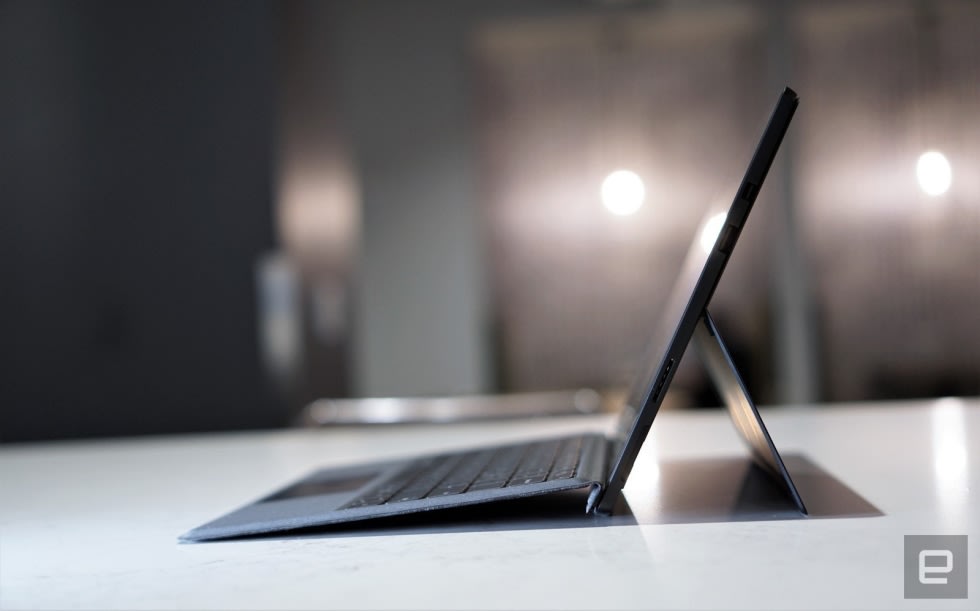
For the road warrior: Microsoft Surface Pro 6

microsoft surface pro 6

Buy Surface Pro 6 on Amazon - $1,200+

If you work on the go a lot and need something lightweight, sturdy and capable of multitasking like a champ, the Surface Pro 6 is the 2-in-1 for you. It's hands down the best hybrid for productivity. Microsoft has refined its formula so much that the sixth Surface Pro is a nearly perfect hybrid. It provides powerful performance and long-lasting battery in a lightweight yet sturdy frame. PC users will find the Windows 10 software familiar and just as capable of multitasking as on a laptop. Plus, Microsoft makes arguably the best tablet keyboard on the market.

The Surface Pro 6 comes with a bright display and a classy all-black option that refreshes the tablet's dated design. The base model with an Intel Core i5 processor, 8GB of RAM and 128GB of storage costs $899, but you'll have to add $129 for a Type Cover, bringing the total to $1,019. That's pricey, but it still isn't the most expensive option on this list.

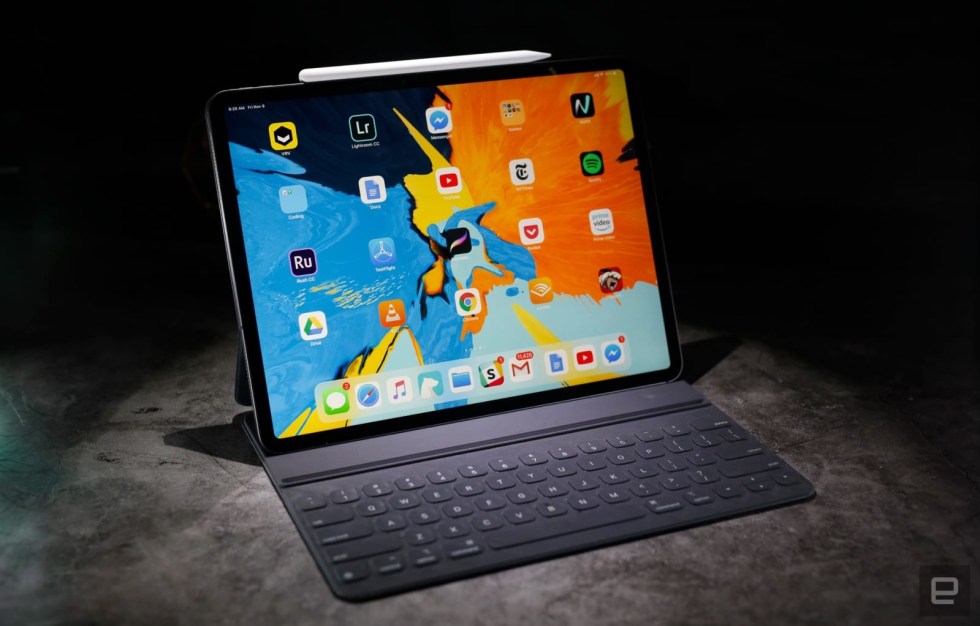
For those chained to iOS: Apple iPad Pro 12.9-inch

Buy iPad Pro 12.9-inch on Amazon - $945+

Apple wants so much for you to think of the iPad Pro as a notebook replacement that it markets the device as "more powerful than a PC laptop." Indeed, the iPad Pro's A12X Bionic is a beast of a chip that can handle most tasks. Just don't expect to edit 8K videos on it. The tablet also has a beautifully light design and crisp, vibrant screen, making it a joy to write on with the Apple Pencil. It has great battery life, to boot.

Theoretically, the new USB-C port also makes the iPad Pro more versatile than before. It should let you connect far more accessories and avoid the hassle of a Lightning adapter. Think things like SD card readers, external monitors and mechanical keyboards -- something you might want to consider given that Apple's keyboard folio is serviceable at best. But finding compatible USB-C peripherals takes some trial and error, so don't expect all of your accessories to work seamlessly.

iOS 12 is also a limited platform for multitasking, though the new iPadOS beta promises significant improvements, so when that finally rolls out it might make the iPad Pro a better productivity machine. You'll need to pay $199 for the smart keyboard folio in addition to the iPad Pro's $999 starting price, making this about $180 more expensive than the Surface. But hey, that Apple premium probably doesn't matter to the loyalists.

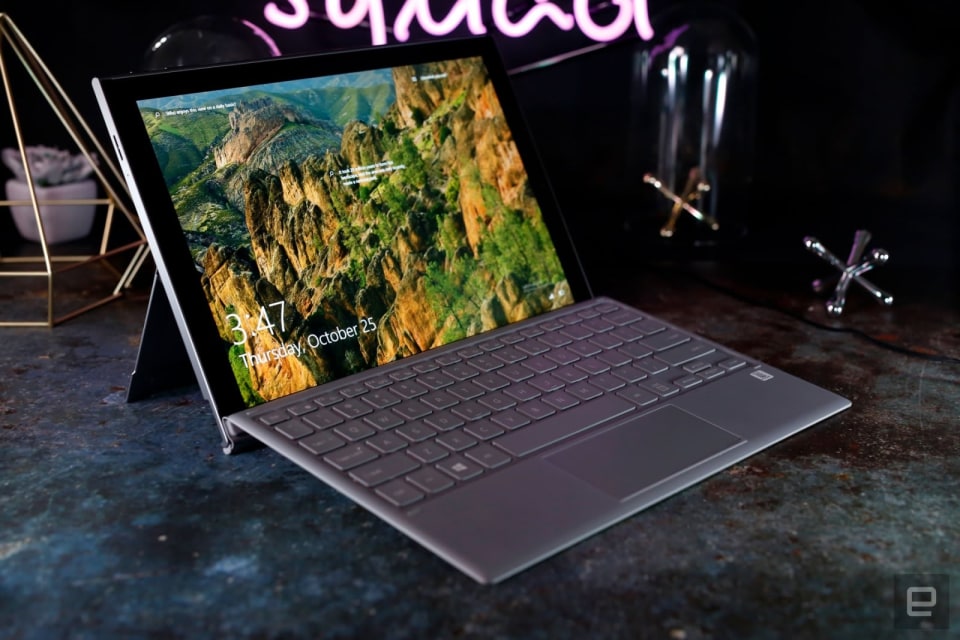
For the digital artist: Samsung Galaxy Book 2

Buy Samsung Galaxy Book 2 - $1,000+

Whether it's a tablet or a phone, the reasons to pick Samsung over other brands tend to be their typically superior displays and the useful S Pen. But for the Galaxy Book 2, you might also appreciate the fact that it comes with built-in gigabit LTE support. It adds the underrated convenience of always being online no matter where you go (cell coverage notwithstanding), and is best for someone who always needs to be updating Google Docs or a blog.

However, since the Book 2 runs Windows on an ARM-based Snapdragon CPU, it's limited by slightly laggy performance and a smaller selection of apps (compared to full Windows). Still, Microsoft and Qualcomm continue to work on the software to make the experience as close to standard Windows as possible. For now, if you need a beefy machine, go for a Surface Pro. If your workflow doesn't depend on obscure apps or you won't be editing videos or photos, then the Book 2 might be right for you. Plus, at just $999 including a keyboard and the S Pen, this is the most affordable option on our list.

Wrap-up

All these options hover around the $1,000 price, which is admittedly a lot to spend on a device that's not a full-fledged laptop. But a good 2-in-1 can be the best travel companion on your business trips, and these are the industry's finest offerings, making whichever one you pick a worthy investment. Just think how much work you can get done armed with one of these.

Let's block ads! (Why?)


https://www.engadget.com/2019/06/28/best-2-in-1-tablet-laptop-2019-surface-pro-ipad-pro-galaxy-book/

2019-06-28 14:12:13Z
52780322716644